Real B2B email deliverability proof with MyCQL data
Real campaign evidence using MyCQL-exported B2B contacts: low bounce rates, strong delivery, measurable engagement, and transparent interpretation of what the numbers actually mean.
Updated: October 2026
To improve your results, follow best practices explained in how to avoid the spam folder.
- MyCQL exports can achieve very clean delivery in real sending conditions.
- Low bounce performance is possible when data quality, timing, and sender reputation are aligned.
- Inbox interaction is observable through opens, clicks, and unsubscribe events.
- This is transparent proof, not a marketing claim without evidence.
If your outreach depends on clean delivery and lower bounce risk, the difference is not just the data source — it is also when and how validation happens before export.
- Safer campaigns with lower bounce risk
- Better protection for sender reputation over time
- Cleaner lists for outbound testing and scaling
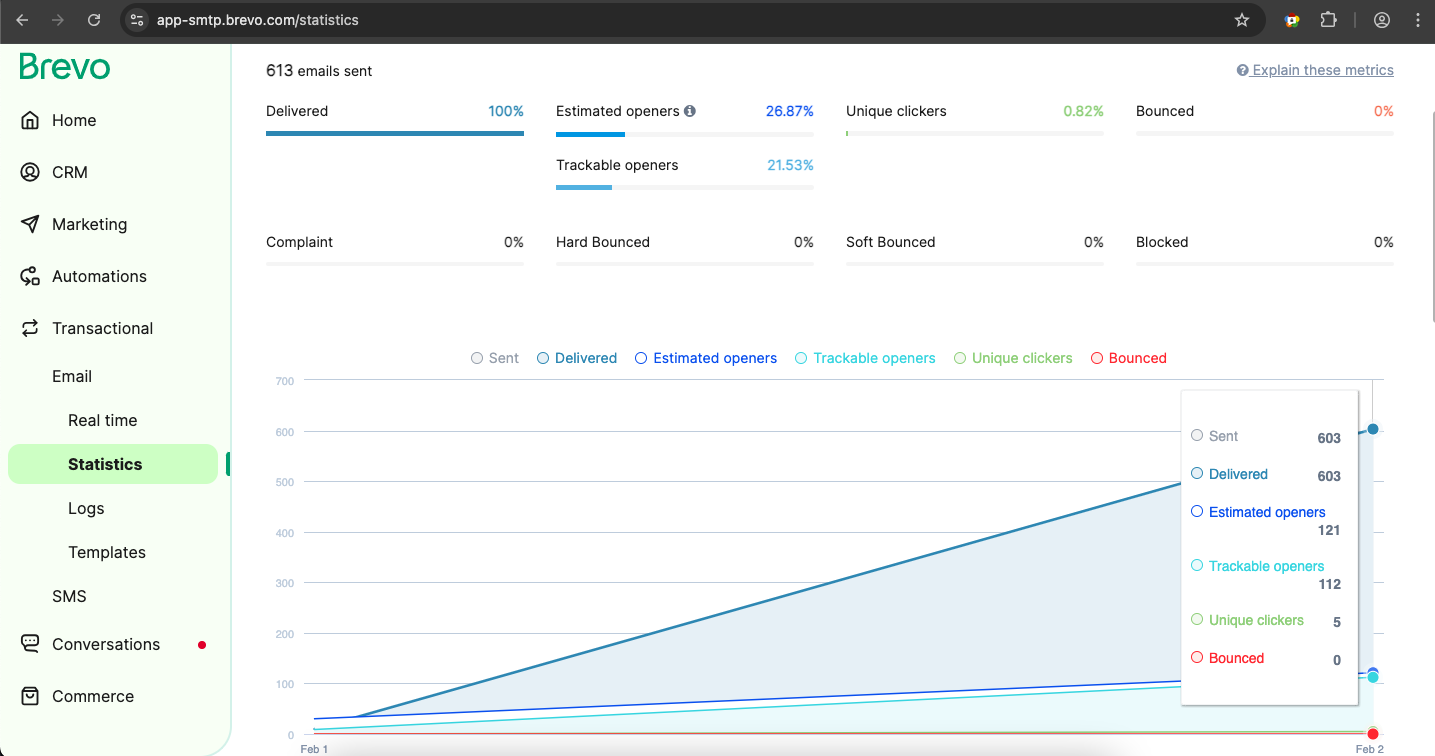
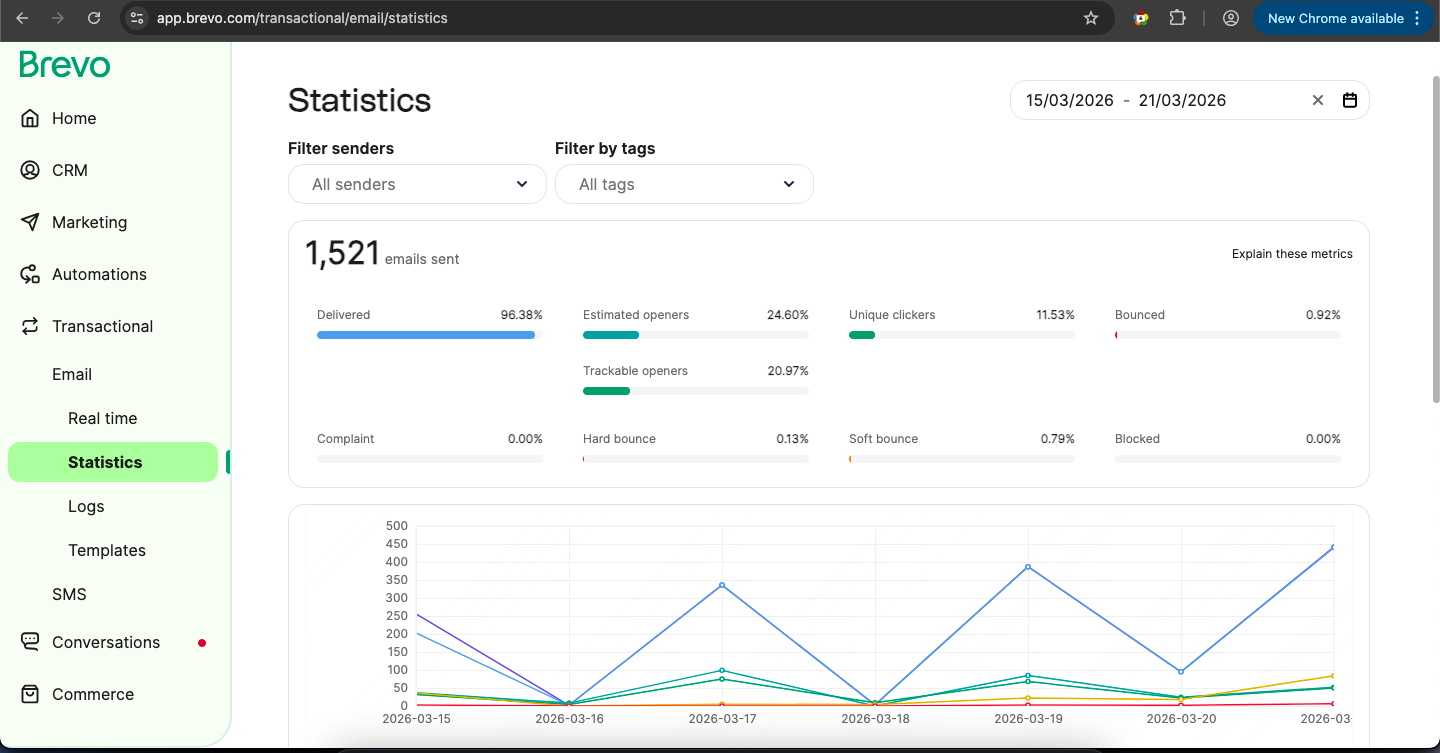
- 613 emails sent via Brevo live SMTP
- 100% delivered
- 0% hard bounce / 0% soft bounce
- 0% blocked / 0% spam complaints
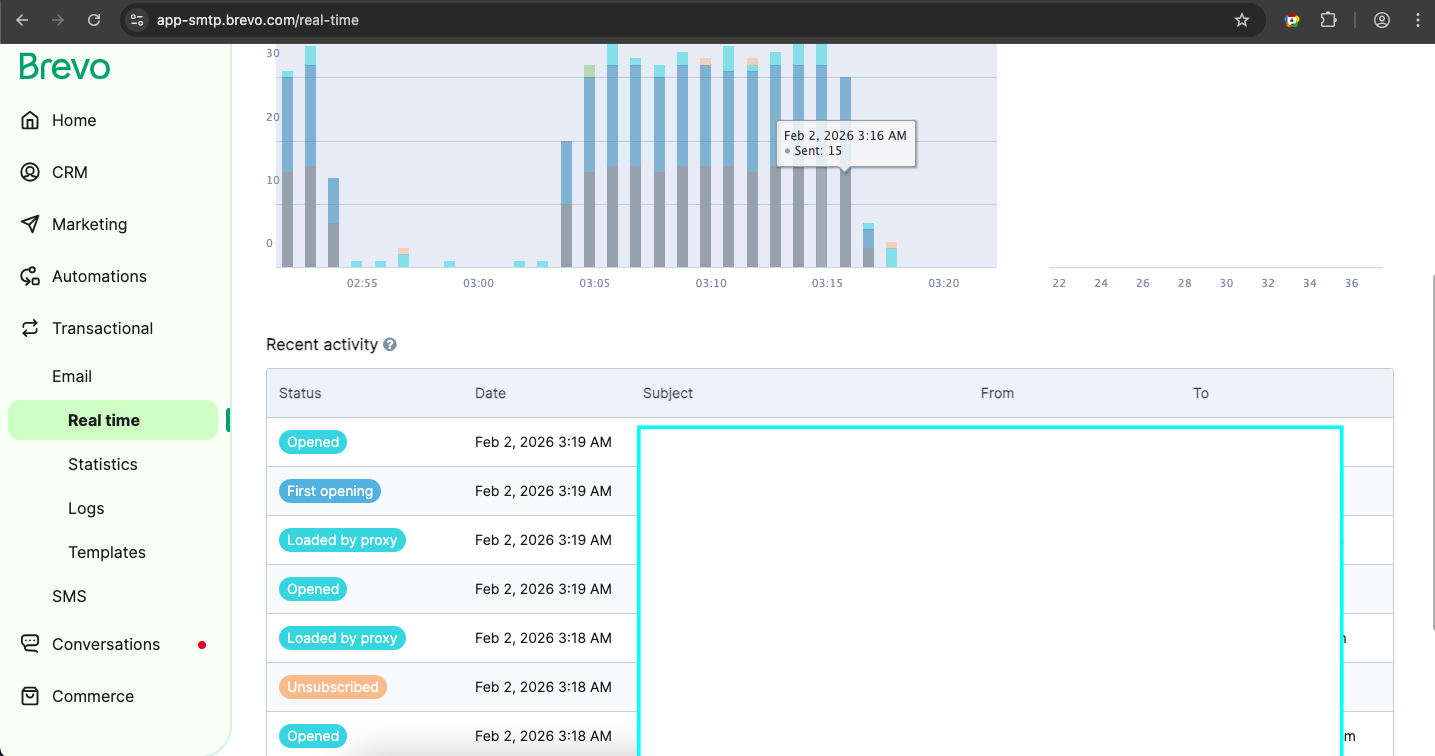
- Real engagement events observed including opens, clicks, and unsubscribe actions
If your campaigns don’t achieve similar results, the issue often comes from data quality and deliverability. Read: why cold email is not working.
- Lower bounce rates help protect your sending domain and ESP reputation.
- Higher acceptance by destination servers means less wasted outreach volume.
- Cleaner verified contacts reduce unnecessary retries and poor list performance.
- Better inbox placement conditions improve your chance of getting opens and replies.
Example of the kind of data behind the proof
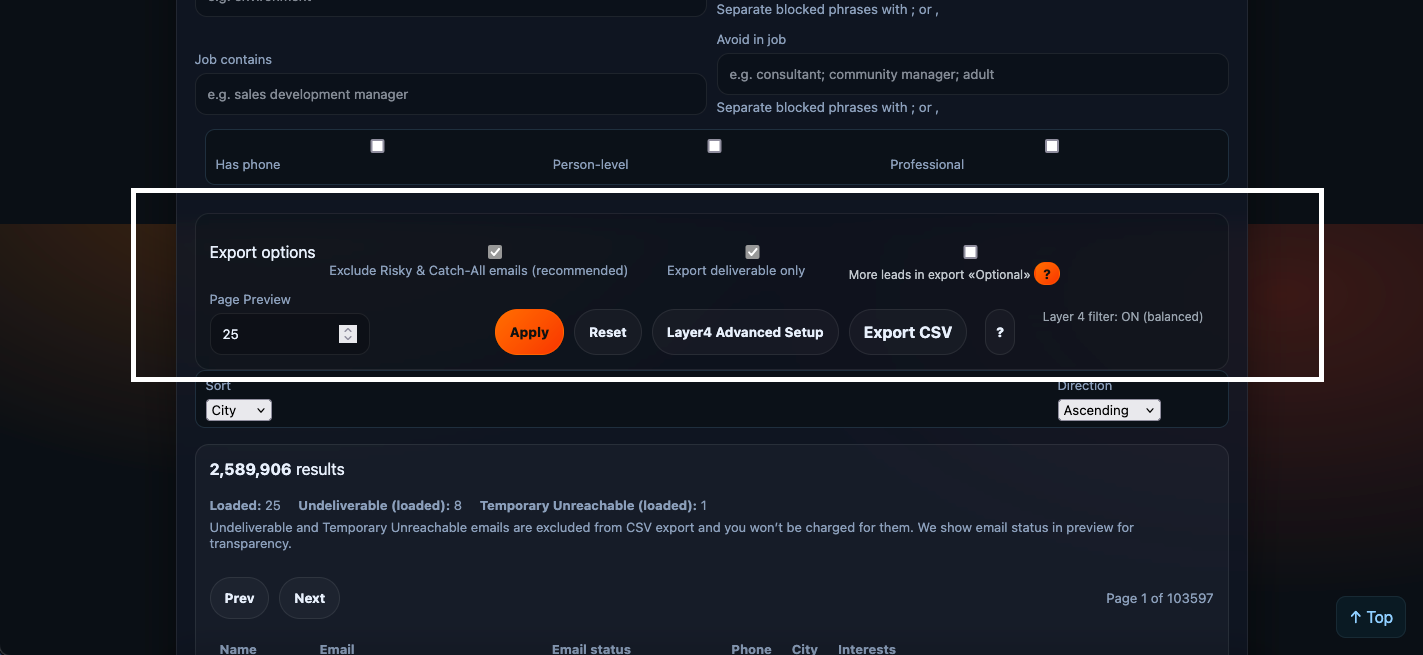
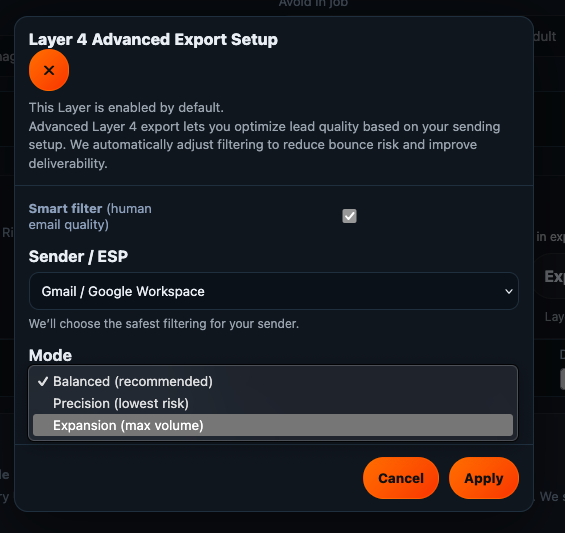
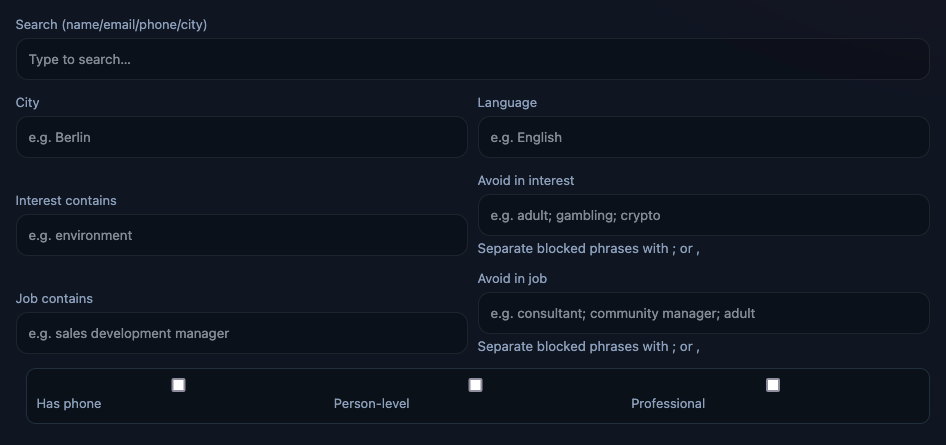
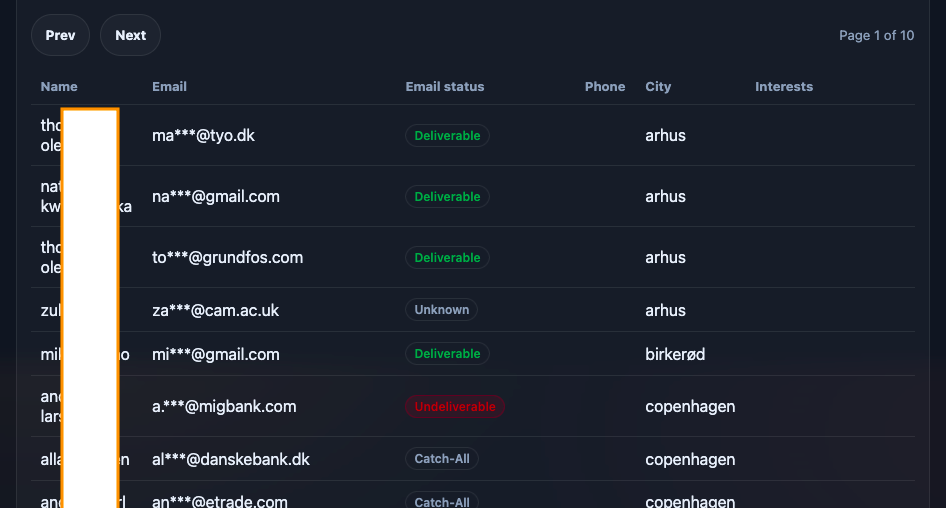
The screenshots below show the type of filtered, export-ready data and validation logic used before sending. The goal is not just to export more rows, but to export safer rows.
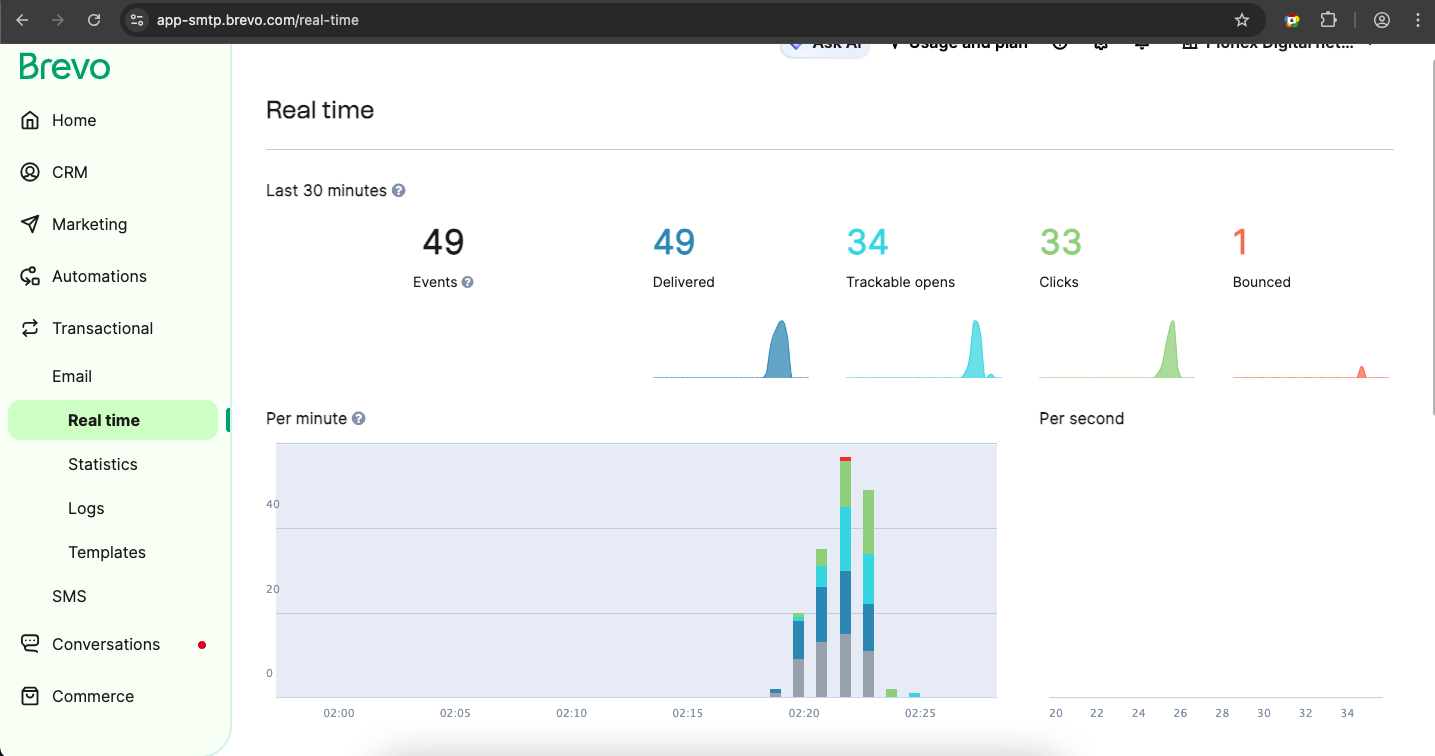
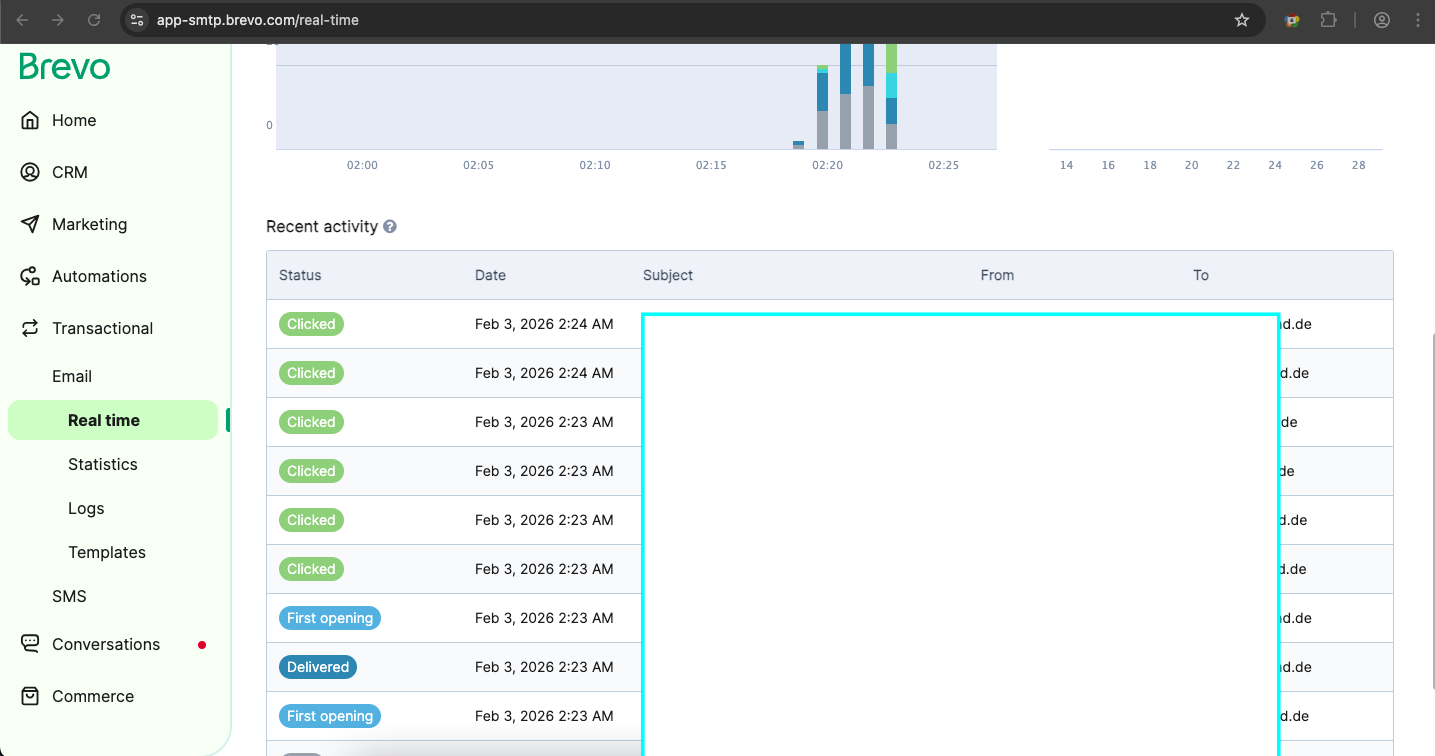
This small controlled send was designed to show real inbox placement using MyCQL-exported data, not just “emails sent” on a dashboard.
- 49 delivered events recorded
- 100% delivered
- 34 trackable opens (~69%)
- 33 clicks (~67%)
- 1 soft bounce — typically temporary (greylisting, mailbox limits, provider delays)
Maintaining a low bounce rate is essential to avoid spam filters. See: why emails go to spam.
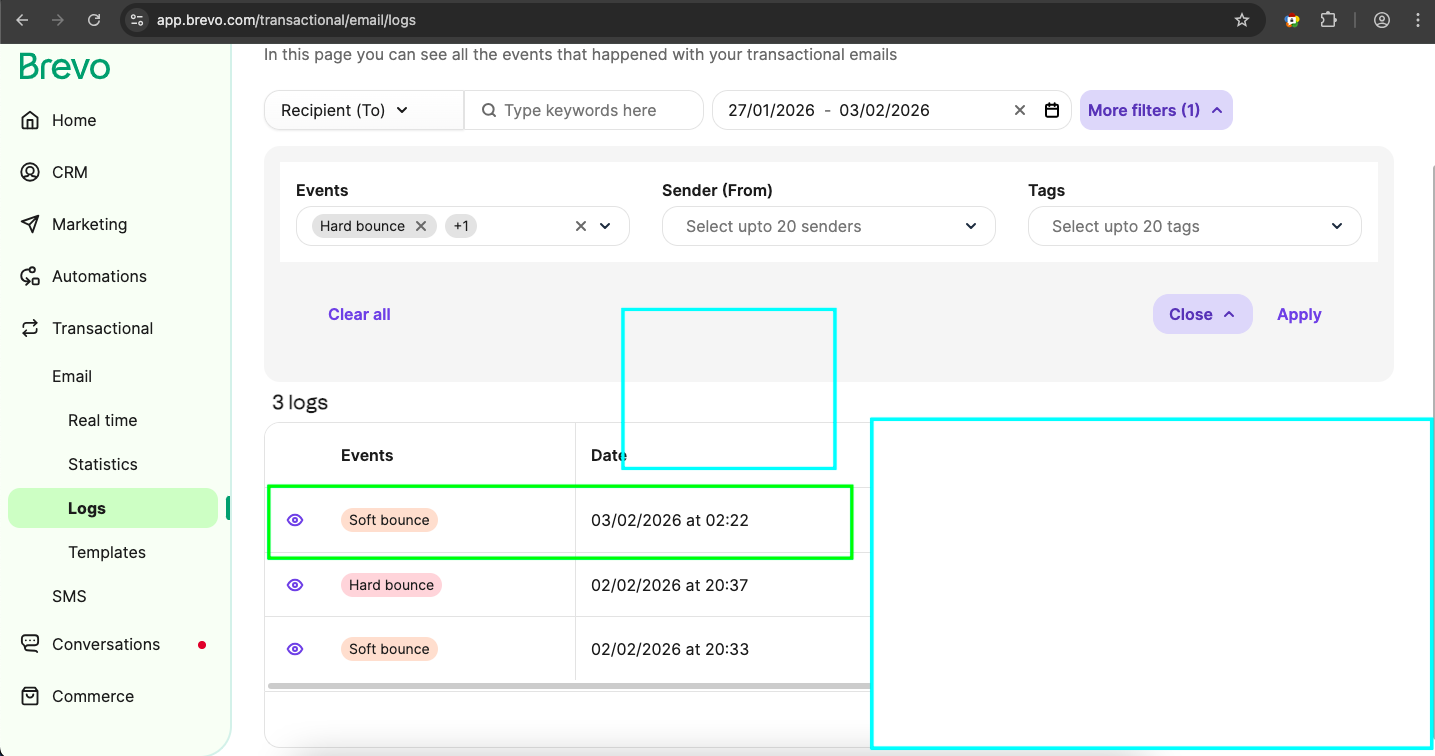
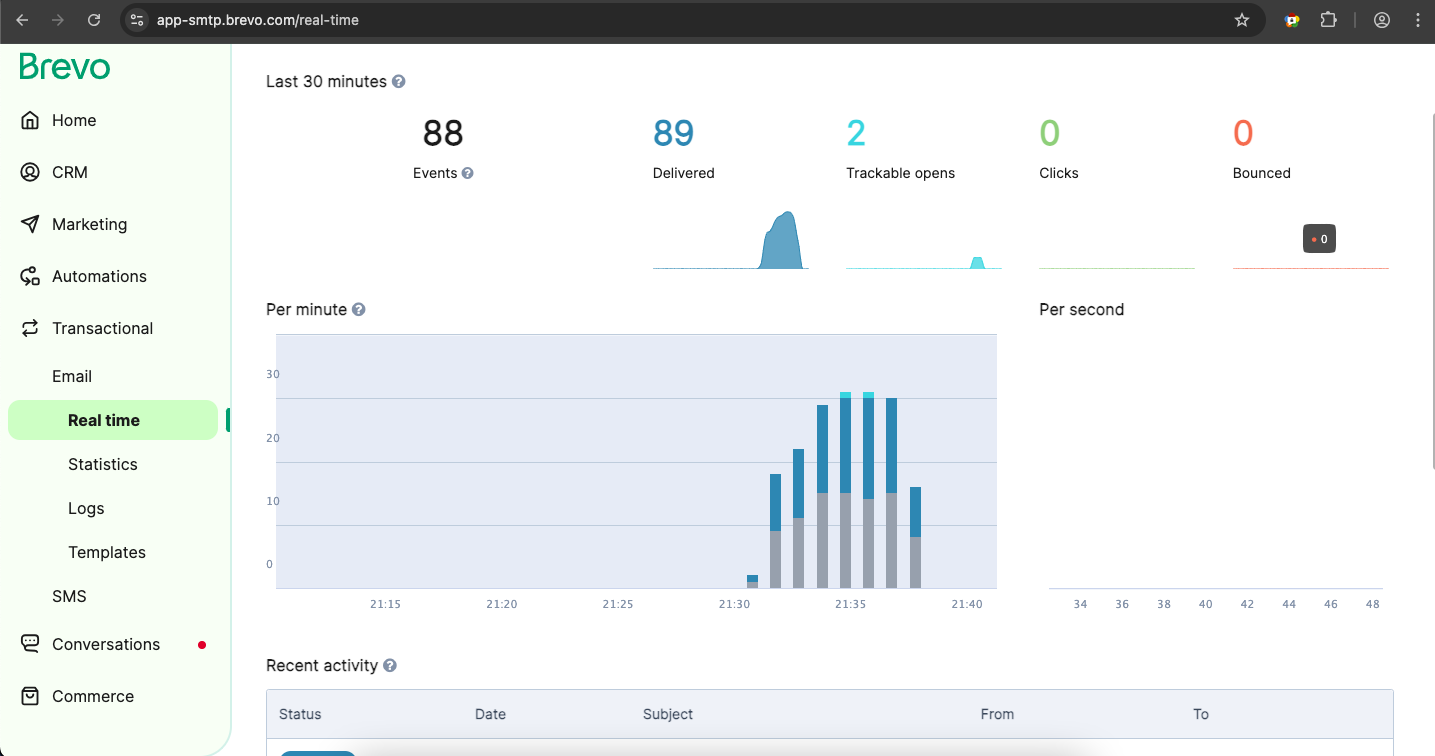
MyCQL’s Balanced mode is designed for quality + reputation safety. Layer 4 remains active, filtering stays conservative, and the result is usually cleaner delivery. In some sends, delivery can remain excellent while opens and clicks stay lower simply because the timing was poor.
- 0 bounces in the shown window means the destination servers accepted the messages.
- Low clicks or opens do not automatically mean “bad leads.”
- Engagement depends heavily on send time, offer quality, subject line, and recipient availability.
- A late-night send can produce low interaction even when the underlying data quality is strong.
- Schedule sends for the recipient’s local business hours.
- For B2B campaigns, weekdays usually outperform weekends.
- Subject line and first sentence often matter more than list size.
- Clean data helps, but message quality still decides replies.
Why MyCQL performs differently
Real-world usage
Teams using MyCQL typically test small segments first, verify delivery behavior, and then scale only after confirming that the data and message match the market.
The goal is not just to send more emails — it is to send emails that actually reach inboxes.
How to interpret this proof
- Delivered means destination mail servers accepted the email.
- Hard bounce usually means permanent failure, such as a non-existent inbox.
- Soft bounce is often temporary, such as greylisting, mailbox limits, or server delays.
- Opens and clicks support inbox placement evidence, but are not always fully trackable.
- Unsubscribe events are part of real email traffic and can confirm human delivery as well.
Explore verified B2B leads by country or request a sample to check data structure, segmentation, and quality before scaling outreach.